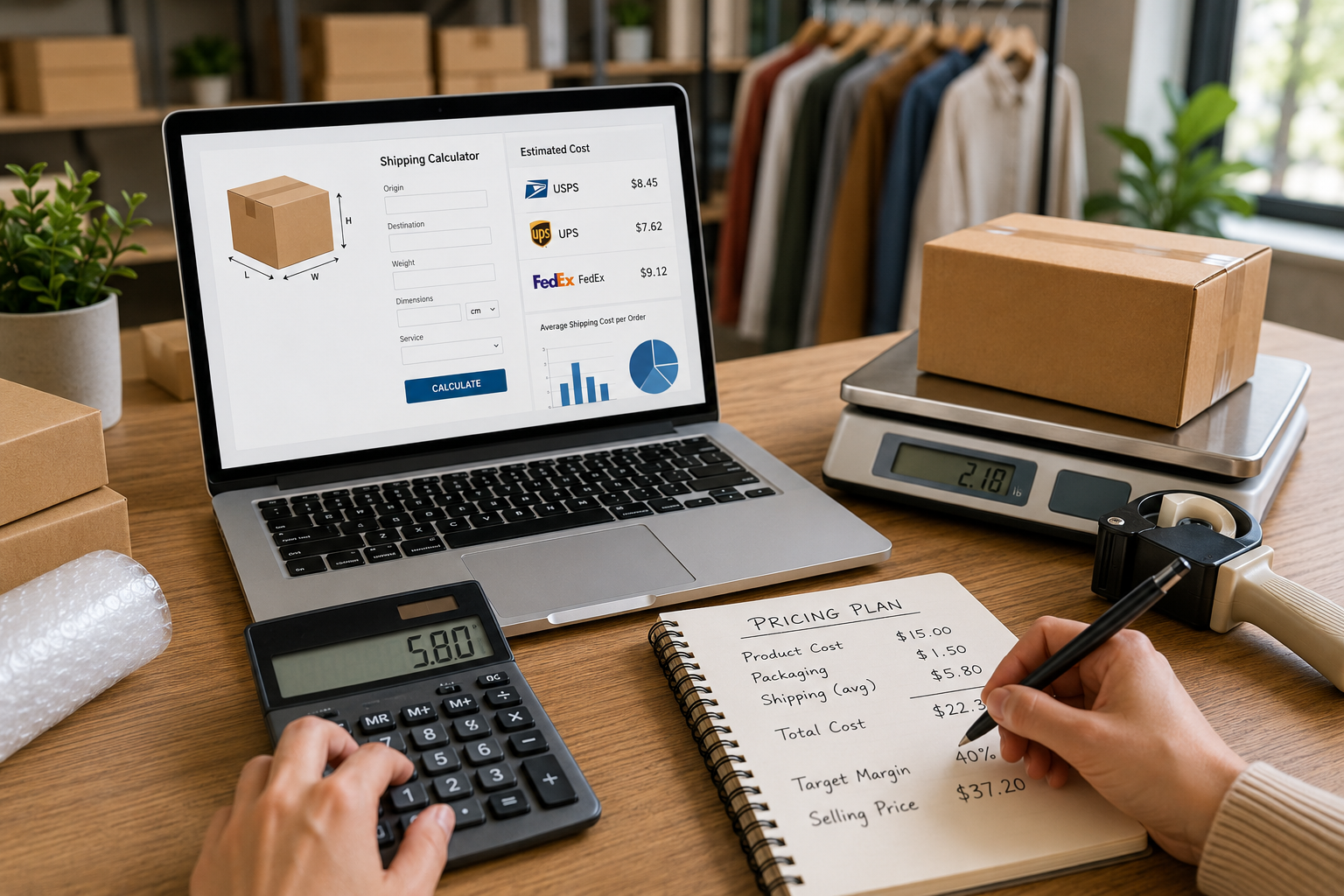
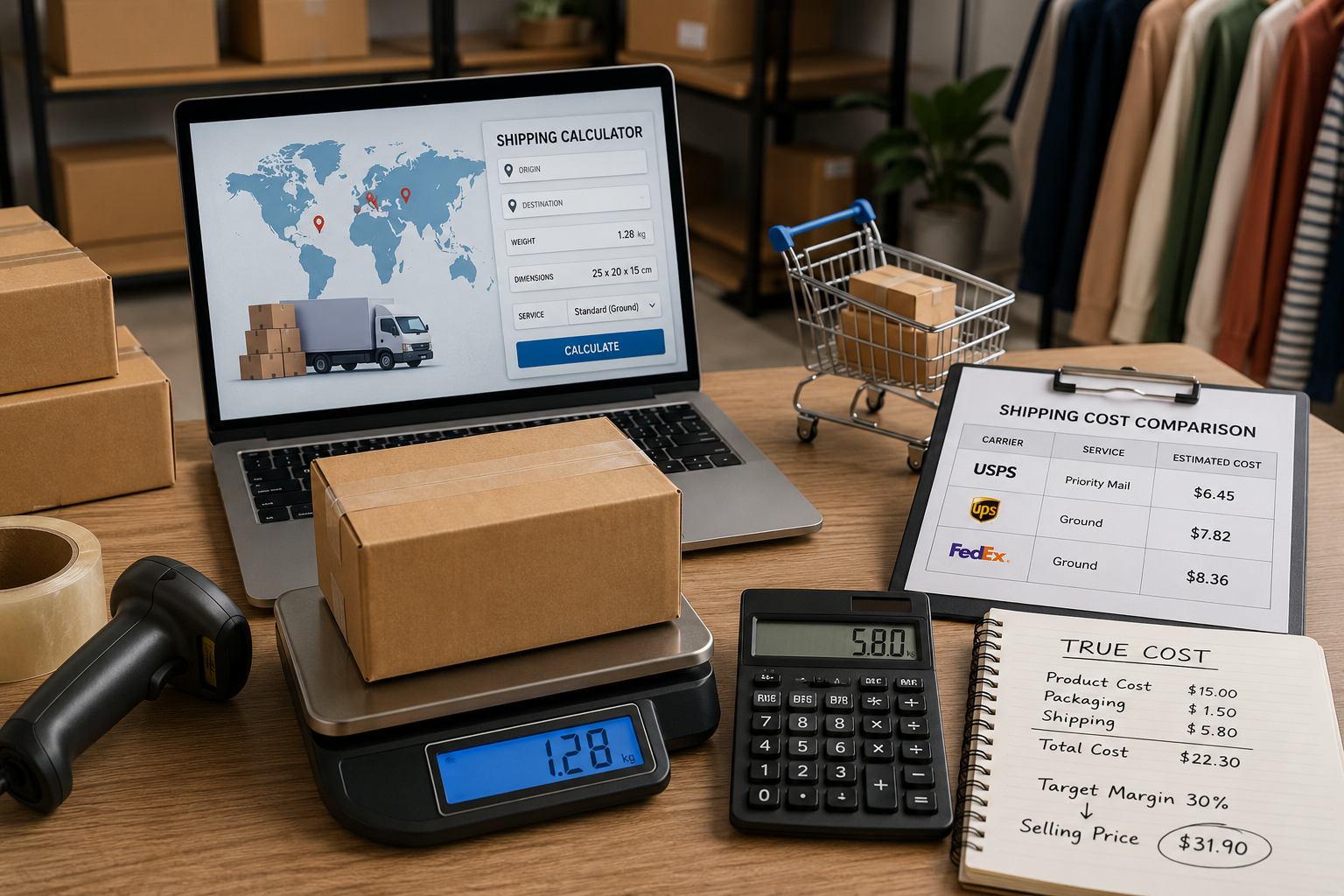
Shipping costs are one of the biggest hidden factors affecting e-commerce profit margins, yet most businesses ignore them until it’s too late. This guide shows how a shipping cost calculator can help you accurately estimate delivery expenses before setting prices, allowing you to build smarter, more profitable pricing strategies. By integrating real shipping data into your pricing model, you can avoid margin loss, stay competitive, and make data-driven decisions that scale your online store with confidence.
In e-commerce, shipping costs are one of the most overlooked factors that silently reduce profit margins. Many online sellers focus heavily on product pricing and marketing but fail to accurately calculate delivery costs before setting their final prices. This often leads to underpriced products, unexpected losses, or pricing that drives customers away.
A shipping cost calculator solves this problem by giving businesses a clear, data-driven estimate of delivery expenses based on weight, dimensions, shipping zones, and carrier rates. When used correctly, it becomes more than just a calculator—it turns into a strategic pricing tool.
This guide explains how e-commerce businesses can use shipping cost calculators to build smarter pricing strategies, protect profit margins, compare carrier options, and make informed decisions before launching products. Whether you’re running a small online store or scaling a large catalog, understanding your true shipping cost is essential for sustainable growth and long-term profitability.
Learn how to use a shipping cost calculator to build smarter e-commerce pricing strategies that protect your profit margins. This guide shows how to accurately estimate shipping costs, compare carrier rates, and integrate real delivery data into your product pricing so you can avoid underpricing, reduce losses, and scale your online store more profitably.
Shipping is no longer just an operational cost – it’s a major factor that can quietly impact 10–30% of a small business’s revenue. With carrier rates rising annually and customer expectations shifting toward faster delivery, businesses face growing pressure to optimize without sacrificing speed.
The solution isn’t cutting corners but making smarter decisions around packaging, carrier selection, order consolidation, and automation. Small changes like reducing dimensional weight, negotiating better rates, and using the right shipping tools can significantly lower costs while maintaining delivery performance.
Impulse buying isn’t a lack of discipline—it’s psychology in action. From dopamine-driven rewards to scarcity triggers and FOMO marketing, modern e-commerce is engineered to shorten decision time and increase emotional spending. This article breaks down the real psychological forces behind impulse purchases and shows how smart tools like savings planners, price comparison systems, and discount calculators can interrupt these patterns—helping you replace emotional buying with informed financial decisions in real time.
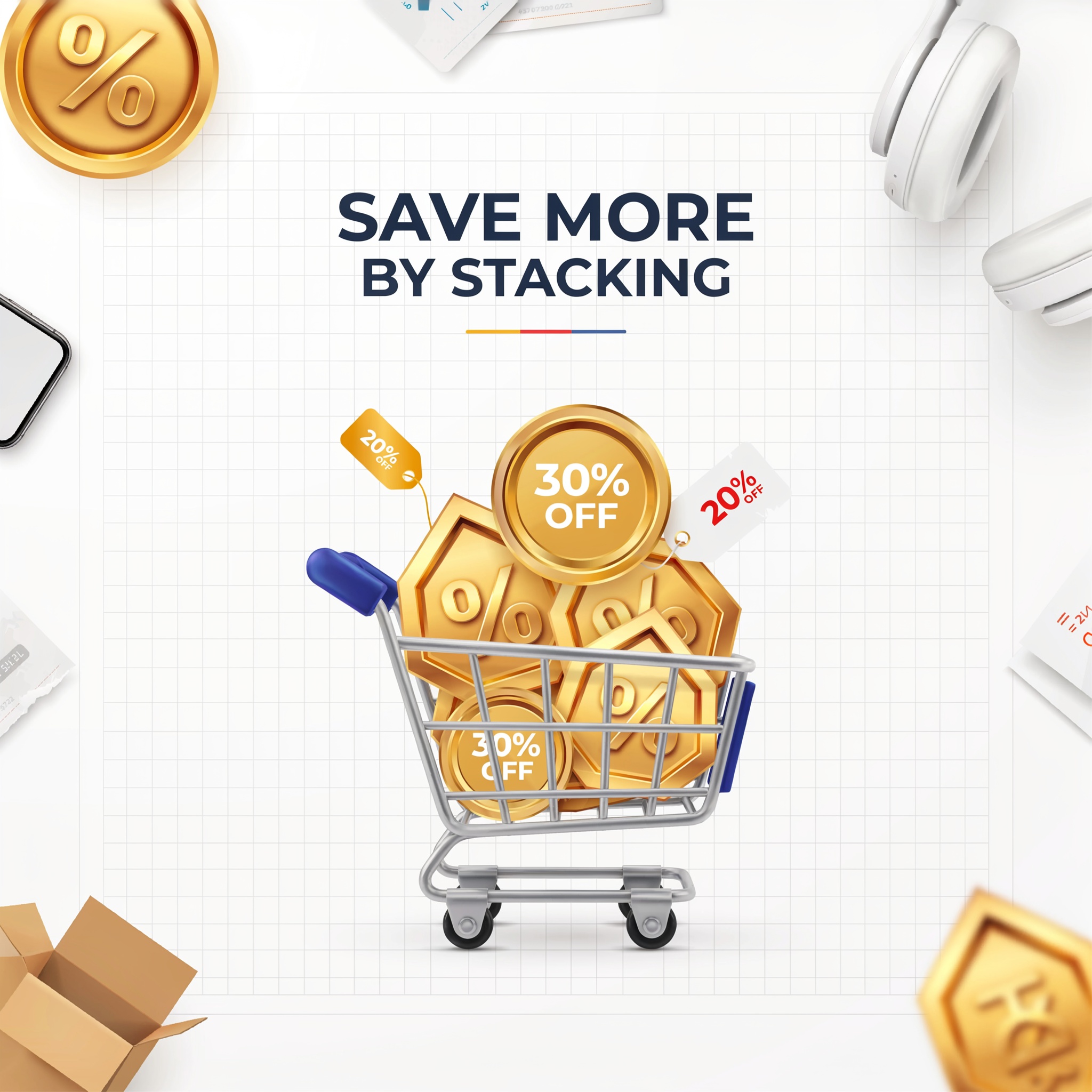
Most online shoppers use discounts separately — a promo code here, cashback there — without realizing these savings can often work together. Coupon stacking is the strategy of combining multiple discount types, including promo codes, cashback offers, loyalty rewards, and card promotions, on a single purchase to maximize online discounts legally and effectively. When done correctly, coupon stacking can significantly reduce the final price of products without breaking retailer rules. This practical guide explains how to stack coupons online, combine discount codes the smart way, avoid common mistakes, and use cashback and coupon stacking strategies to save more on every purchase.
Quick Links
About Company
Get In Touch
Have feedback or a tool idea? We’d love to hear from you.
Made for smart savers everywhere.
All Copyrights Reserved by Daily Discount Hub © 2026.