Impulse buying isn’t a lack of discipline—it’s psychology in action. From dopamine-driven rewards to scarcity triggers and FOMO marketing, modern e-commerce is engineered to shorten decision time and increase emotional spending. This article breaks down the real psychological forces behind impulse purchases and shows how smart tools like savings planners, price comparison systems, and discount calculators can interrupt these patterns—helping you replace emotional buying with informed financial decisions in real time.
Impulse buying isn’t a lack of discipline—it’s psychology in action. From dopamine-driven rewards to scarcity triggers and FOMO marketing, modern e-commerce is engineered to shorten decision time and increase emotional spending. This article breaks down the real psychological forces behind impulse purchases and shows how smart tools like savings planners, price comparison systems, and discount calculators can interrupt these patterns—helping you replace emotional buying with informed financial decisions in real time.
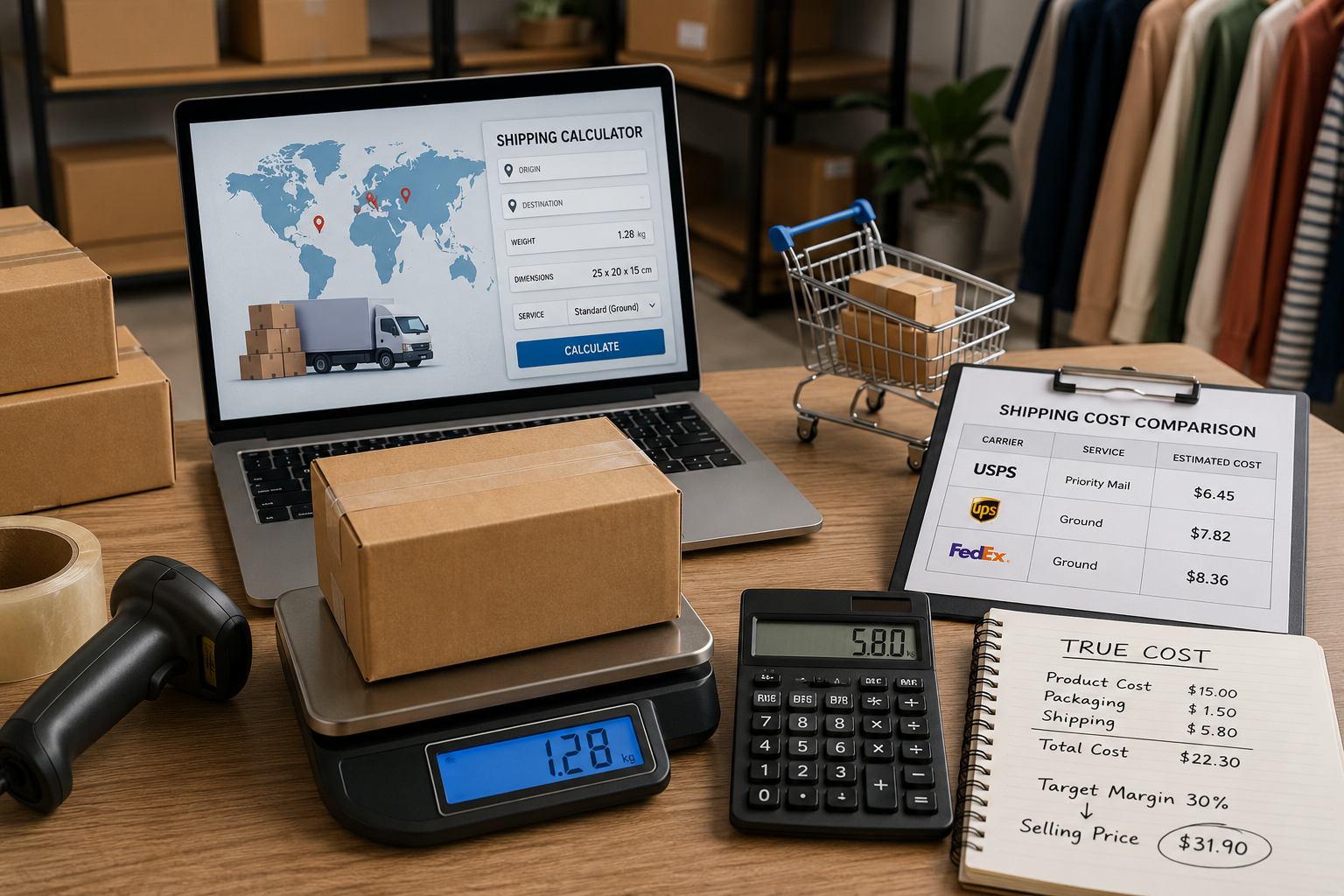
If you’ve ever been surprised by a shipping invoice that’s much higher than expected, you’re not alone. Many e-commerce sellers, dropshippers, and small business owners assume that shipping cost is based only on the actual weight of their package. However, in most cases, courier companies charge based on volumetric weight (also called dimensional weight) instead.
This often results in higher charges, even when the package feels light. Understanding how volumetric weight works is essential if you want to reduce shipping costs and avoid unexpected bills.
What Is Actual Weight in Shipping?
Actual weight is the real, physical weight of your package measured on a scale. It is also known as gross weight.
This is the weight most people naturally think of when calculating shipping costs. For example, if you have a product that weighs 2 kg, its actual weight will always be 2 kg, regardless of how big the box is.
What Is Volumetric (Dimensional) Weight?
Volumetric weight (or dimensional weight) is a pricing method used by major courier companies such as DHL, FedEx, and UPS. Instead of charging only for the actual weight, they calculate the space your package occupies.
A larger box takes up more space in trucks and aircraft, even if the item inside is light. Because space is limited and expensive, carriers use volumetric weight to ensure they’re fairly compensated for the room your package uses.
Volumetric Weight vs Actual Weight – Key Difference
Here’s the simple comparison:
Factor
Actual Weight
Volumetric Weight
Based on
Physical weight
Package size (volume)
How it’s measured
On a weighing scale
Length × Width × Height ÷ Factor
What the courier charges
—
The higher of the two
Carriers calculate your billing weight by comparing both values and charging for whichever is greater. This is why a light but bulky package can cost significantly more than expected.
Why Shipping Companies Use Volumetric Weight
Shipping companies use volumetric weight because space in airplanes and delivery trucks is limited. A large but lightweight package can take up valuable space that could have been used for multiple smaller, heavier shipments.
By charging based on dimensional weight, carriers ensure fair pricing and better utilization of their cargo space. This practice is standard with DHL, FedEx, and UPS across both air and ground shipments.
Real-Life Example – Why Your Shipping Bill Increased
Let’s say you’re shipping a product that weighs 2 kg (actual weight). However, you packed it in a large box measuring 60 × 50 × 40 cm.
After calculation, the volumetric weight comes out to 5 kg. The courier will charge you for 5 kg instead of 2 kg – even though the item itself is light. This is exactly why many sellers suddenly see their shipping costs jump.
Discount Calculator
Enter any original price and a discount percentage to instantly see your final price, exact savings, and whether the deal is genuinely worth it.
Our # 1 Tool
How Volumetric Weight Affects E-Commerce Sellers
For online businesses, volumetric weight directly impacts profitability. It can lead to:
Lower profit margins on each order
Higher shipping costs passed on to customers
Increased cart abandonment due to expensive shipping
Incorrect pricing of products
Inefficient packaging that wastes money
How to Reduce Shipping Costs (Practical Tips)
Here are proven ways to lower your shipping charges:
Use smaller boxes that fit your product snugly
Remove unnecessary void space and filler material
Switch to lightweight packaging materials
Redesign product packaging to be more compact
Compare rates from different couriers before shipping
Using a Shipping Cost Estimator before dispatch helps you identify the best packaging and courier combination to keep costs low.
How Shipping Cost Estimators Help You Avoid Overpaying
A good shipping cost estimator allows you to:
Predict the final shipping cost before you pack the order
Compare actual weight vs volumetric weight impact
Test different box sizes and see how costs change
Make smarter pricing decisions for your products
This helps you avoid overpaying and maintain healthy profit margins.
Volumetric Weight Formula Explained (Simple Breakdown)
Introduce a structured delay before checkout, verify that any discount is genuine, and use a savings planner to make the opportunity cost of the purchase concrete. Decision quality improves significantly when even five minutes separates impulse from action.
Enter any original price and a discount percentage to instantly see your final price, exact savings, and whether the deal is genuinely worth it.
Our # 1 Tool
Deal Value Checker
Don't just see the % off — get a deal score from 1–10 and a clear verdict: Worth It, Average, or Bad Deal. Stop getting fooled by inflated "original" prices.
Editor's Pick
About Author
nazneen
Kitchen Chronicles
When it comes to everyday messes, you need a paper towel that’s strong, absorbent, and cost-effective.