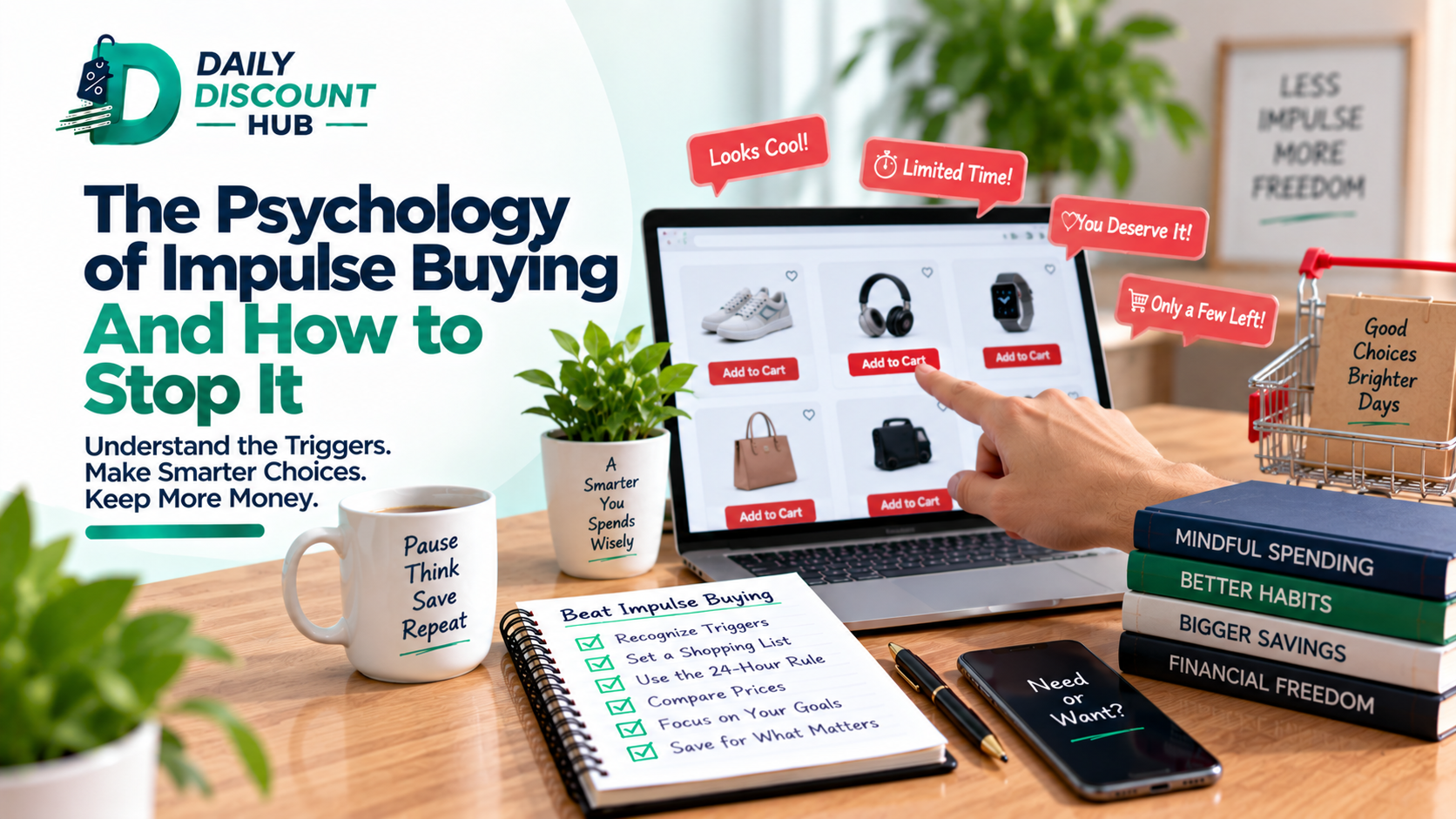

A discount is actually worth it when the final price represents good value compared with what the product normally costs and what comparable alternatives cost. The quickest way to check is to ignore the size of the advertised discount for a moment and look at the actual price you’ll pay. A “50% off” label can sound impressive, but it means little if the original price was inflated or another seller offers the same product for less.
A simple 10-second discount check is to compare the sale price with the product’s usual price and at least one similar alternative. Then account for anything that changes the real cost, such as shipping, fees, quantity, or product size. This helps you distinguish a genuine saving from a promotion that simply uses a large percentage or crossed-out price to make the offer appear more valuable.
In this guide, you’ll learn how to tell if a discount is worth it, why percentage-off offers can be misleading, and the warning signs to check before buying. The goal is simple: judge the deal by the value you actually receive, not by how impressive the discount looks.
Check whether a deal offers genuine value or is simply a marketing trick before making your purchase.
You see “70% OFF” and something immediately clicks. That’s a great deal. You’d be leaving money on the table if you didn’t grab it.
But a few minutes after checkout, a quieter thought surfaces: was that actually worth it?
Most shoppers never get a clear answer because they’re evaluating the wrong thing. They judge a deal by the discount percentage – and that number is almost entirely in the retailer’s control. A simple 10-second habit fixes this completely, and once you have it, misleading sale labels lose most of their power over you.
This simple habit is just one part of smarter online shopping. If you want more practical advice on evaluating deals, comparing prices, and avoiding unnecessary spending, explore our online shopping guides for additional strategies you can use before making a purchase.
The discount percentage shown on a product listing tells you one thing: how much lower the sale price is compared to the listed original price. That’s it. It says nothing about whether the original price was honest, whether the sale price is competitive, or whether you’re actually getting a good deal.
Retailers know that large percentages trigger an emotional response before shoppers think critically. A “70% off” label feels significant regardless of what the underlying numbers are. This is why inflated original prices are so common – setting a higher reference point makes any sale price look more impressive.
A product listed at “Was $200, Now $60” looks like a steal. If the same product sells everywhere else for $65 with no promotion, you’re paying close to market rate and the “70% off” is almost entirely fictional. The percentage was calculated against a manufactured number, not a real one.
Emily researches pricing trends, product comparisons, discount structures, and consumer purchasing behavior. Her articles help shoppers identify genuine value and avoid misleading promotions.
Stop asking: “How much am I saving?” instead Start asking: “Is this cheaper than what it normally sells for?”
That single shift moves you from emotional evaluation to factual evaluation. The discount percentage becomes irrelevant. The only number that matters is whether the sale price is genuinely below the product’s normal market price.
If the sale price is lower than the normal price elsewhere = it’s a real deal. If it’s similar or higher – the discount label is doing its job, and the deal isn’t one.
That’s the whole trick. Ten seconds. One tab. One comparison. For purchases where the numbers are harder to evaluate, you can check the real math with our Deal Value Checker to look beyond the advertised discount and assess whether the deal actually represents meaningful savings.
Most impulse purchases during sales happen because the discount percentage creates excitement before the brain has evaluated actual value. The “70% off” label generates a dopamine response – a small feeling of winning – that makes the checkout feel like a smart move even when it isn’t.
Switching focus to the final price vs. market price breaks that loop. Instead of reacting to the label, you’re verifying a fact. Either the price is below market rate or it isn’t. There’s no emotional content in that comparison – which is exactly why it works.
Shoppers who build this habit report fewer post-purchase regrets, less overspending during sale seasons, and a much clearer sense of when a deal is genuinely worth acting on versus when it just looks impressive.
A shopper sees a popular Bluetooth speaker listed during a major sale:
On the surface: a great deal. More than half off a $200 product.
They open one other platform and search the same model:
The “60% off” sale price of $80 is actually higher than the normal selling price on two other platforms. The $200 original price was inflated specifically to make $80 look like a bargain. The real discount – compared to actual market value – Is essentially zero.
Without the 10-second check, this purchase happens and feels good. With it, the shopper either finds a better price or realizes there’s no urgency to buy right now.
Understanding the hidden math behind online discounts makes it easier to see why a large percentage can look impressive without representing meaningful savings. The number displayed on the sale badge is only useful when you understand what it is being compared against. The discount percentage is a marketing tool, not a financial measurement. Retailers emphasize it because large numbers trigger predictable psychological responses that drive faster purchases.
Anchor pricing works by presenting a high original price first. Your brain uses that number as a reference point, making everything below it feel like a bargain – regardless of whether the anchor was realistic.
The strikethrough effect amplifies this. Seeing a number crossed out activates a sense of contrast that makes the sale price feel dramatically lower than it might actually be.
FOMO and urgency tactics – countdown timers, “limited stock” warnings, flash sale branding – are layered on top to compress your decision time. The less time you spend thinking, the less likely you are to open that second tab and compare.
The entire system is optimized to keep your attention on the percentage and off the actual market price. The 10-second trick is simply refusing to play by those rules.
Many common price comparison mistakes happen because shoppers focus on the discount badge instead of checking the product’s actual market price. A few quick indicators can help you identify when a “deal” deserves extra scrutiny:
Any one of these is worth a 10-second check before proceeding.
A single impulse purchase during a fake sale might cost $20 or $30 above real market value. That feels minor in isolation. Across a year of regular online shopping – clothing, electronics, household items, gifts – those small overcharges add up to several hundred dollars.
The 10-second check doesn’t require any tools, subscriptions, or expertise. It requires one tab and 10 seconds of patience. Applied consistently, it filters out the majority of misleading deals before they reach checkout.
For purchases above $50 or $100, a slightly more thorough check using a price comparison tool or price history tracker is worth the extra minute. But for everyday purchases, one quick comparison is enough to catch most of the fiction.
A genuinely good deal doesn’t need a countdown timer. It doesn’t need “only 3 left” warnings. It doesn’t need a crossed-out price four times higher than the sale price. Real value speaks for itself when you compare it against the market.
The 10-second trick works because it replaces emotional reaction with a single factual check. Is this price below what the product normally sells for? Yes or no. That answer cuts through every psychological tactic a sale page can throw at you.
Check the market price. Then decide. The discount label is the last thing that should influence your answer.


Enter any original price and a discount percentage to instantly see your final price, exact savings, and whether the deal is genuinely worth it.
Don't just see the % off — get a deal score from 1–10 and a clear verdict: Worth It, Average, or Bad Deal. Stop getting fooled by inflated "original" prices.
Compare the final sale price with what the same product sells for on other platforms at regular price. If the sale price is genuinely lower, the deal is real. If it’s similar or higher, the discount is calculated against an inflated original price.
Search the same product on one other major platform and compare the regular price to the sale price you’re evaluating. A price history tool adds another layer of verification for higher-value purchases.
To reduce the time shoppers spend comparing prices. The more urgency a sale page creates, the less likely shoppers are to open another tab and check whether the deal is genuinely good.
Search the same product on one other major platform and compare the regular price to the sale price you’re evaluating. A price history tool adds another layer of verification for higher-value purchases.
Selected For You
Join our free newsletter and receive smart deals, savings hacks, and new tools every week.

Free smart tools and trusted guides to help you save money on every purchase, every day.
Company
Explore Guides
Quick Links
© 2026 Daily Discount Hub. All rights reserved.