
Saving Tools & Guides

Money Saving Tips: Practical Guides for Everyday Spending

Most money-saving advice focuses on one big decision: a new job, a cheaper apartment, cutting a major expense. That's not wrong, but it misses where most people actually lose money.


The real leak is small, repeated decisions

A slightly overpriced grocery run. An impulse buy. A forgotten subscription. None of these feel significant alone. Over a year, they're often the real gap between a budget that works and one that doesn't.

Why Small Decisions Matter More Than People Think

  • Big decisions get attention. Small ones don't.

    "Negotiate your salary" is one clear action. "Spend $4 less per grocery trip" sounds too small to bother with, even though it happens 50 times a year.

  • The math adds up faster than it feels like it should.

    A household that overpays by even 10 to 15% across groceries, subscriptions, and everyday shopping is often looking at a four-figure gap over a year. That number never shows up as one line item, which is exactly why it survives unnoticed.

  • Retailers know this asymmetry exists.

    A meaningful amount of pricing and marketing strategy is built around keeping individual purchases small enough that a shopper never stops to think.

  • The fix isn't more willpower. It's a faster check.

    A five-second gut check you can run at the point of purchase (is this discount real, is the bulk pack actually cheaper) beats a general intention to "spend less" every time.

Small Choices Big Savings
Mint Calculator With Gold Coins

Tools for Money Saving

Discount Calculator

Calculate discounts, savings, and final prices accurately for smarter shopping decisions.

How to actually start saving more

Most attempts to cut spending fail for a specific, avoidable reason: they try to change everything at once, using willpower alone, with no way to tell in the moment whether a specific decision is actually the problem. Here’s a more workable approach, built around the same logic as the guides in this pillar.

Audit before you cut anything.

Get an honest picture of where money is going first, especially recurring costs that don't require an active decision to keep paying. A subscription audit is the fastest place to start.

Target what repeats, not what feels big.

A once-a-year purchase matters less to your annual total than a small decision you repeat weekly. Groceries, everyday discount checks, and subscriptions carry the most cumulative impact.

Build a specific check, not a vague intention.

"I'll try to spend less" rarely survives an actual purchase decision. "I'll check the real discount before buying anything over $50" does. This is exactly what a calculator is for.

Revisit recurring costs on a schedule.

A one-time subscription cleanup helps immediately. Costs creep back in over months without a repeat check, even a light one every few months.

Separate genuine savings from savings that require buying more.

A bulk discount or coupon only saves money if you were already buying the item. Buying something just to use a discount is never a net saving.

Guides in this pillar

These guides fall into three groups: smarter everyday shopping decisions, the psychology behind impulse spending, and cutting the recurring costs that quietly add up.

Store Brand Vs. Name Brand Savings
Read More
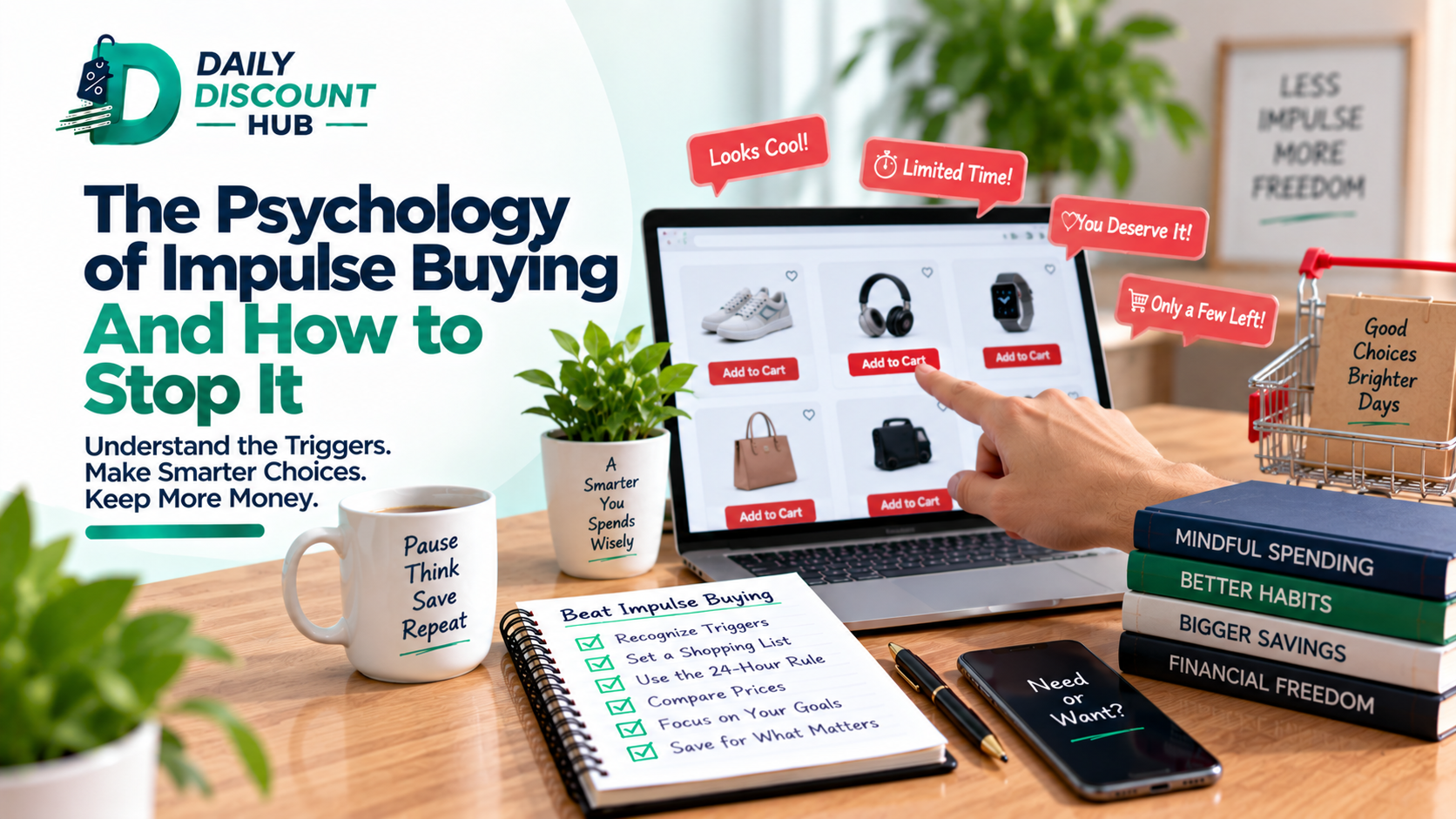
Impulse Buying Pause Think Save
Read More
No Spend Challenge Workspace
Read More
Smarter Shopping In Inflationary Times
Read More
1 2

Common Mistakes That Undo People's Savings Efforts

01

Trying to overhaul everything at once.

Usually leads to burnout within weeks. Pick one or two high-impact areas instead.

02

Confusing a discount with genuine savings.

A markdown on something you weren’t planning to buy is new spending, not savings.

03

Treating a one-time cleanup as permanent.

Subscriptions and habits drift back without a periodic check-in.

04

Underestimating how often small decisions repeat.

One impulse buy feels inconsequential. Same decision weekly for a year rarely is.

Frequently Asked Questions

A subscription audit. It requires no ongoing behavior change, just a one-time review to cancel what you’re not using.

Not universally, but often enough to check case by case. It depends on the product category and how much of the name-brand price reflects a real quality difference.

It varies, but a consistent pattern of small overpaying commonly adds up to a four-figure gap over 12 months, since these decisions repeat so often.

Yes, on purchases you were already planning to make. They’re not worth chasing on their own, since buying something just for the cashback is never a real saving.

A full review every few months, with a lighter monthly check on recurring costs specifically, since those drift the fastest.

Keep exploring our guides

Explore more ways to manage your money, understand taxes, shop smarter, and compare prices with practical tools and guides across our other topics.

Budgeting & Finance

Build a practical budget, manage everyday expenses, and make your money go further.

Tax Guides

Understand common tax topics, calculations, and decisions without unnecessary complexity.

Online Shopping

Shop confidently with guides for discounts, final prices, coupons, and smarter online purchases.

Price Comparison

Compare real costs, unit prices, and competing offers to find the better value before you buy.