How to Compare Products Properly: Price, Quality, and Long-Term Value Explained

Most shoppers compare prices. Far fewer compare actual value — and that’s where bad buying decisions usually happen. A product that looks cheaper upfront can end up costing far more through poor durability, hidden fees, frequent replacements, or weak performance over time. This guide explains how to compare products properly by looking beyond the price tag and evaluating quality, lifespan, warranty, hidden costs, and true long-term value. Learn how smarter comparisons help you spend less, avoid fake savings, and make better purchasing decisions every time.
Coupon Stacking Explained: A Step-by-Step Guide to Combining Discounts
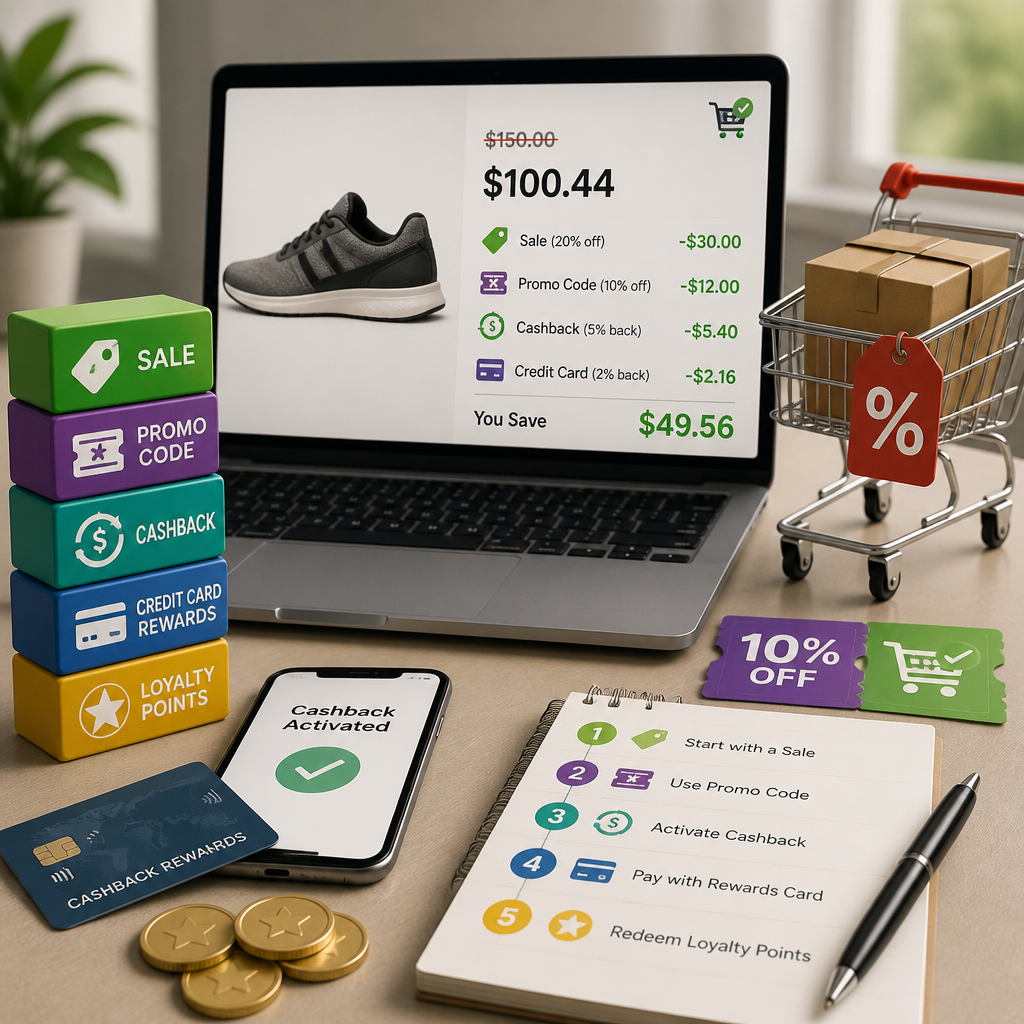
Coupon stacking is one of the smartest ways to cut online shopping costs without waiting for deeper sales. By combining promo codes, cashback rewards, loyalty points, and credit card offers in the right order, shoppers can reduce the final price far beyond a standard discount. This step-by-step guide explains how coupon stacking works, which discount combinations are allowed, common mistakes that block savings, and practical strategies to maximize online discounts legally and efficiently.
The 50/30/20 Budget Rule Explained for 2026: Does It Still Work?
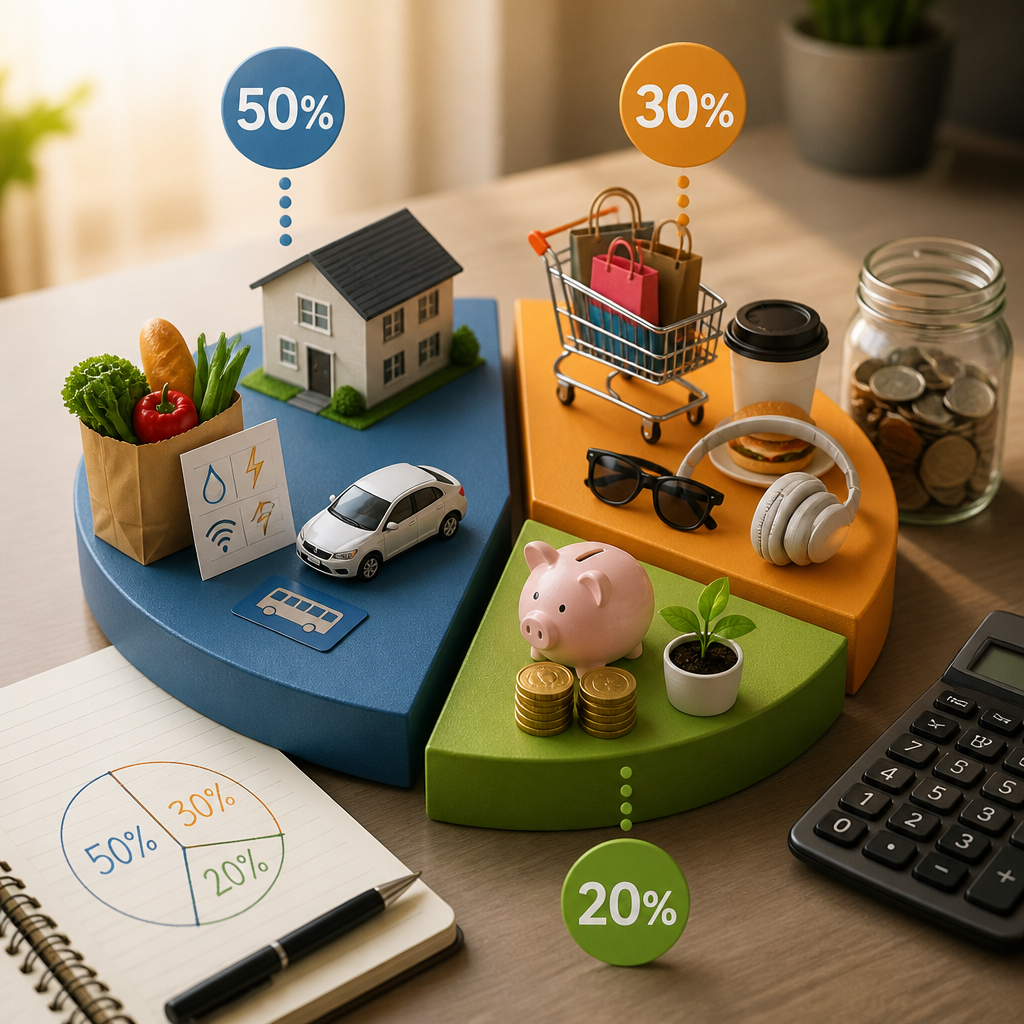
In 2026, the 50/30/20 budget rule remains one of the most popular personal finance frameworks – but rising inflation, higher rent, and increased living costs are putting it under serious pressure. While the rule offers a simple way to divide income into needs, wants, and savings, many people now find the traditional ratios unrealistic in today’s economy. This guide breaks down how the 50/30/20 rule works, why it still matters, and how to adapt it to modern financial realities so you can build a more practical and sustainable budgeting strategy.
AI Budgeting Tools vs Traditional Budget Spreadsheets: Which Saves More Money?

In the debate between AI budgeting tools and traditional spreadsheet budgeting, there is no one-size-fits-all winner — but there is a clear shift in how people manage money in 2026. While spreadsheets offer full control, customization, and privacy, AI budgeting apps deliver automation, real-time insights, and effortless tracking that helps users stay consistent. As financial stress and living costs continue to rise, the real question is no longer which system is more powerful, but which one you will actually stick with long enough to save more money.
How Smart Shoppers Use Price Comparison Tools to Beat Inflation
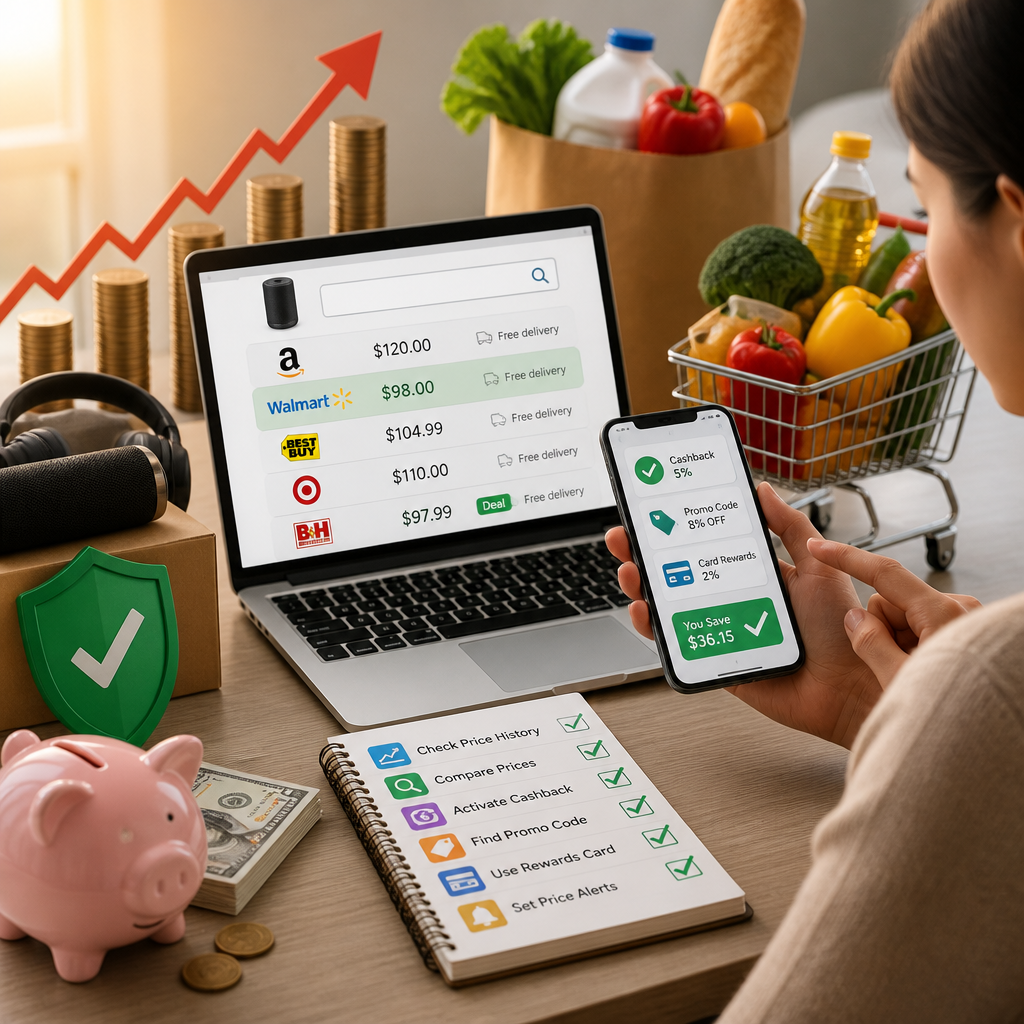
Inflation is quietly reshaping how much we pay for everyday essentials, but smart shoppers are fighting back. This guide explains how price comparison tools, cashback platforms, and discount trackers help users instantly find lower prices, avoid fake discounts, and time their purchases more effectively. Learn the exact workflow smart shoppers use to cut costs on everything from groceries to electronics — and why using these tools has become essential in today’s rising-price economy.
The Rise of No-Spend Challenges: How to Actually Stick to One (Without Failing in 3 Days)
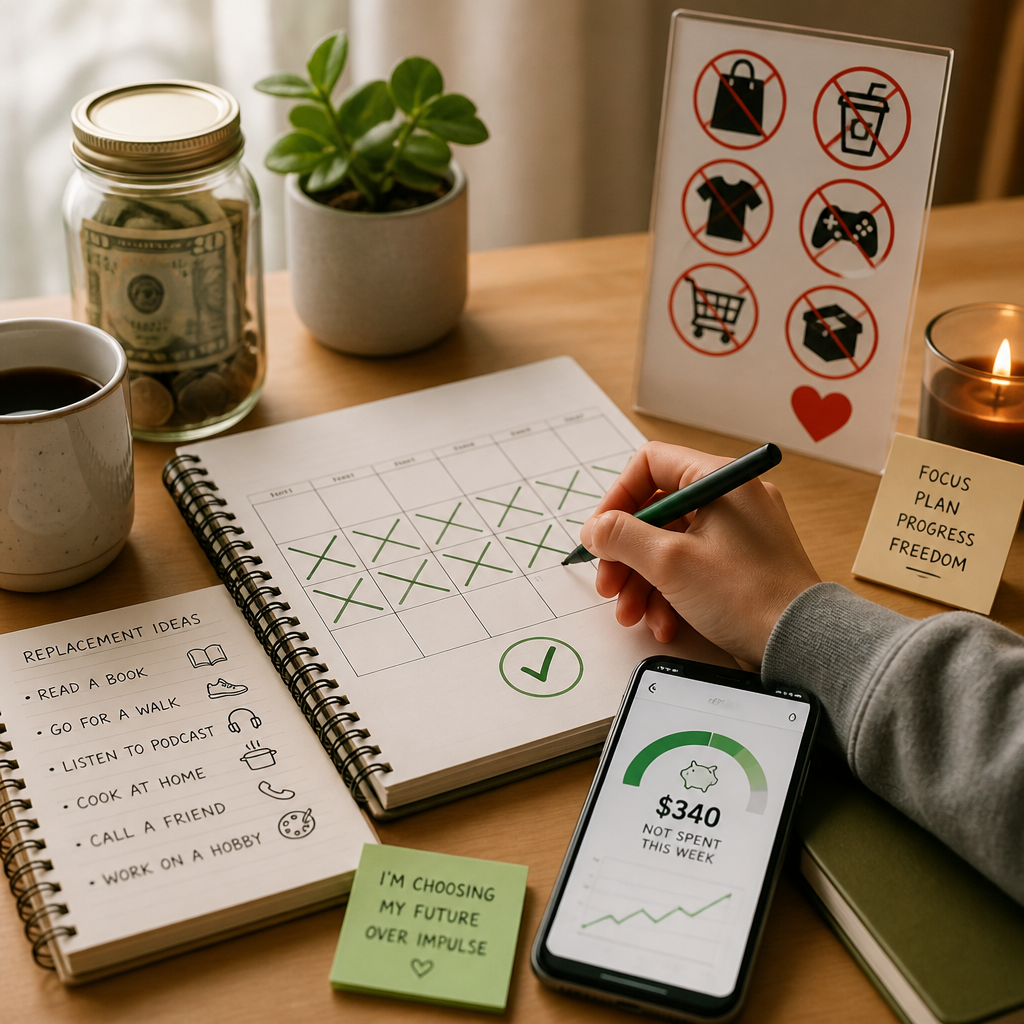
No-spend challenges have exploded across TikTok, YouTube, and Reddit as one of the simplest ways to reset spending habits and save money fast — but most people fail within the first three days. The problem isn’t motivation, it’s structure. Without clear rules, real-time tracking, and replacement habits, impulse spending quickly takes over. This guide breaks down why these challenges fail and provides a practical 5-step system to actually complete one successfully, build better money habits, and take control of your finances in 2026.