The Future of Personal Finance: From Spreadsheets to Smart Savings Dashboards
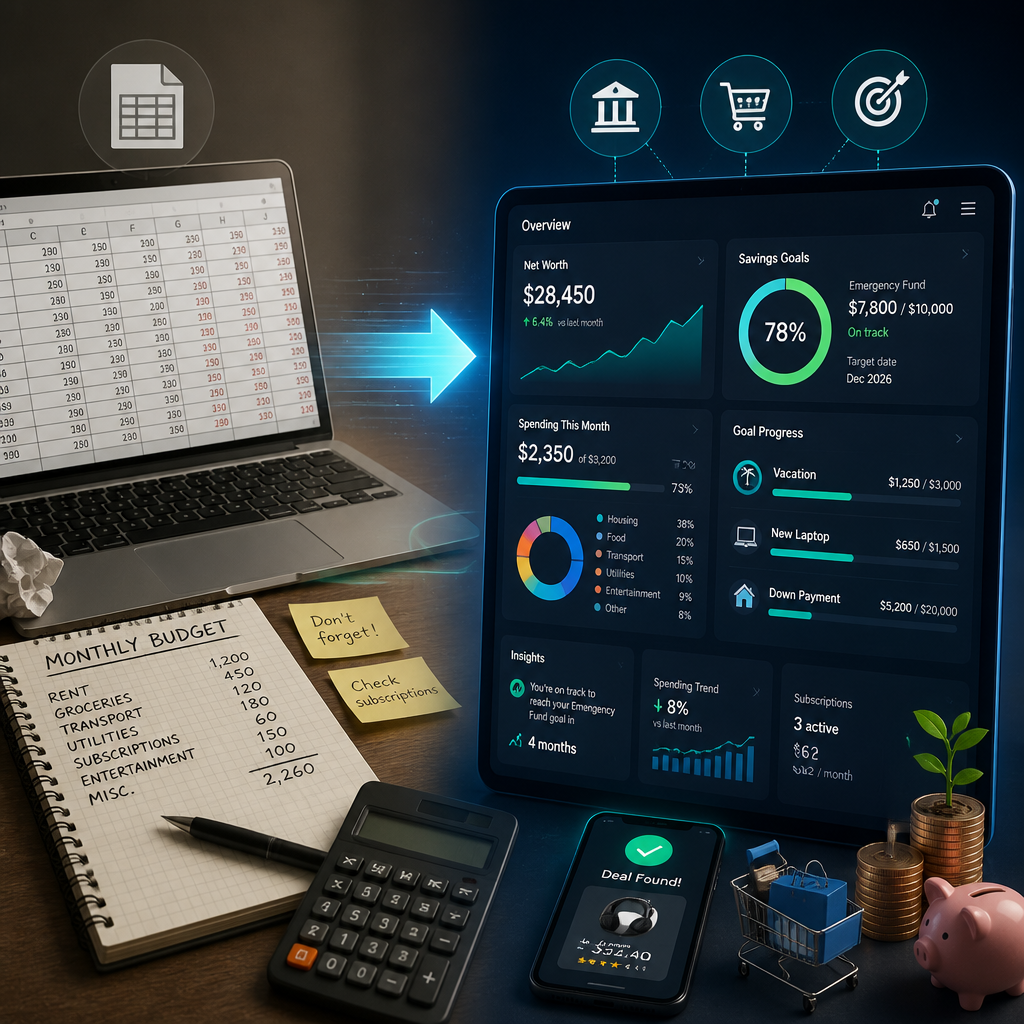
Most people still manage their money using outdated spreadsheets, but personal finance is rapidly evolving into a smarter, automated system. In 2026, budgeting is no longer about manual tracking — it’s about real-time insights, AI-powered tools, and smart savings dashboards that connect spending directly to financial goals. This blog explores how the shift from spreadsheets to intelligent financial systems is transforming the way people save, spend, and make decisions, and why adopting modern tools can dramatically improve financial outcomes.
2026 Tax Brackets Explained: How Much Tax Should You Really Pay?

Understand how 2026 tax brackets really work in the US, UK, and Pakistan with real salary examples, updated tax slabs, effective tax rate calculations, and practical tax-saving strategies. This guide breaks down marginal vs effective tax rates, explains common tax misconceptions, and shows how deductions, retirement contributions, and filing status can legally reduce your tax bill in 2026.
Best Tax Saving Investments in 2026: Smart Ways to Legally Reduce Your Taxes

In 2026, smart investing isn’t just about returns—it’s about what you keep after taxes. This guide breaks down the best tax-saving investments across retirement accounts, HSAs, ISAs, ETFs, and country-specific schemes, showing how to legally reduce your tax burden while building long-term wealth. From tax-free growth strategies to tax-loss harvesting, you’ll learn practical ways to improve after-tax returns and avoid common costly mistakes.
How Influencers, YouTubers & Content Creators Are Taxed in 2026
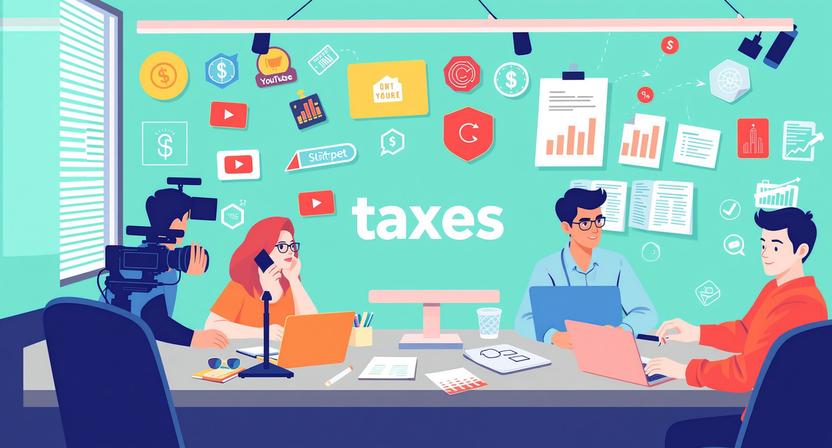
In 2026, influencers and content creators are no longer operating in a gray area — they are treated as full-fledged businesses by tax authorities. Whether income comes from YouTube ads, brand sponsorships, affiliate marketing, or digital products, everything is taxable and must be reported. This guide explains how creator income is taxed, what deductions are available, and how influencers can legally reduce their tax burden while avoiding costly penalties and surprises.