How Inflation Is Changing Online Shopping Behavior Worldwide

Inflation is transforming online shopping habits worldwide, turning casual buyers into cautious, deal-focused consumers. From aggressive price comparisons and coupon stacking to the growing use of smart discount calculators, shoppers are becoming more analytical about every purchase. This guide explores how rising prices are reshaping consumer behavior, why deal-checking has become a daily habit, and how shoppers can protect their budgets in an increasingly expensive digital marketplace.
Coupon Stacking Explained: How to Maximize Discounts Without Breaking Rules
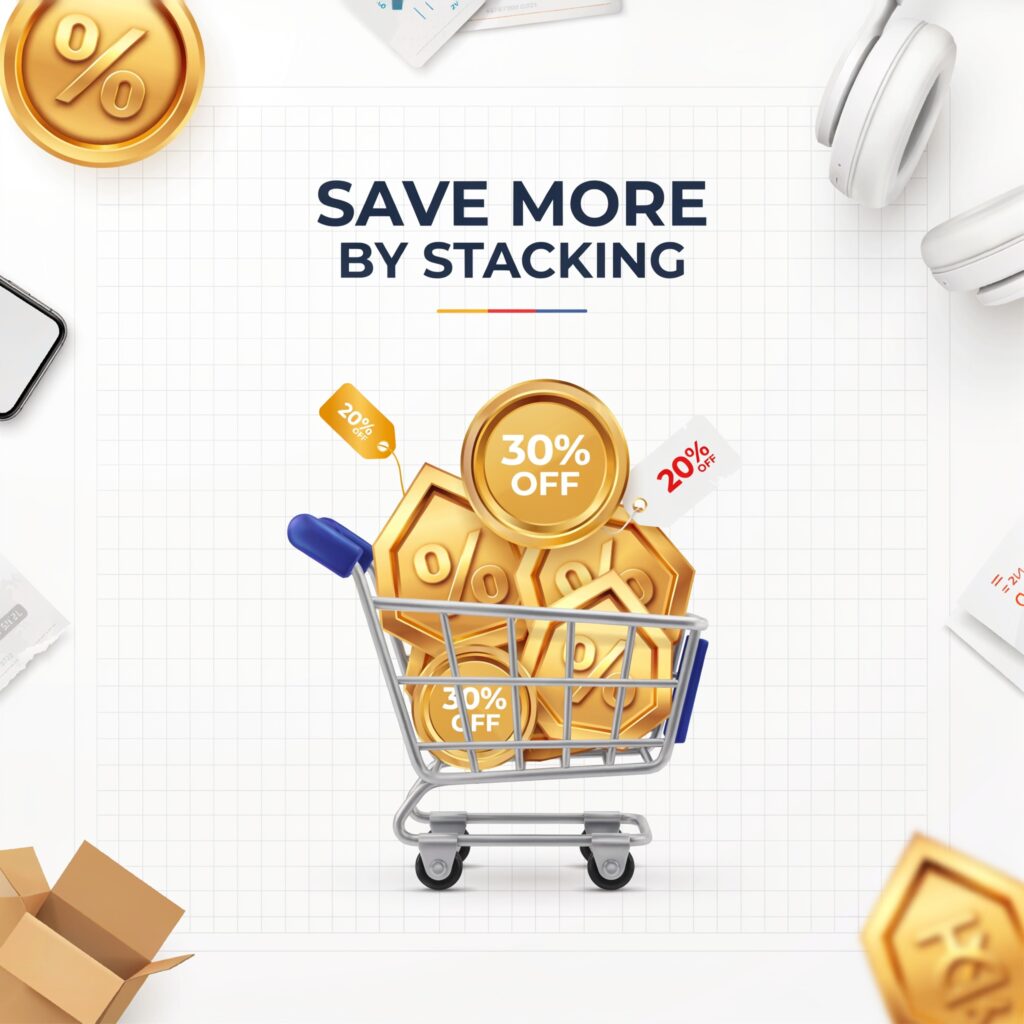
Most online shoppers use discounts separately — a promo code here, cashback there — without realizing these savings can often work together. Coupon stacking is the strategy of combining multiple discount types, including promo codes, cashback offers, loyalty rewards, and card promotions, on a single purchase to maximize online discounts legally and effectively. When done correctly, coupon stacking can significantly reduce the final price of products without breaking retailer rules. This practical guide explains how to stack coupons online, combine discount codes the smart way, avoid common mistakes, and use cashback and coupon stacking strategies to save more on every purchase.
How Much Are You Really Saving? The Hidden Math Behind Online Discounts
You see “50% OFF” in bold red and instantly feel like you’re saving money – but are you really? Most online discounts are calculated using the listed “original price,” and that number is often inflated to make deals appear bigger than they actually are. The hidden math behind discounts reveals that real savings depend on the actual market price, not the crossed-out number retailers want you to focus on. Before you trust a sale label, learn how to spot the difference between a real discount and a fake one — because the biggest discount doesn’t always mean the best deal.
“I Keep Falling for Discounts” – How Can I Stop That?

Ever opened a shopping app “just to browse” and ended up buying something because it was 70% off? You’re not alone. Falling for discounts isn’t simply a lack of discipline — modern online stores are carefully designed to trigger impulse buying through urgency, fear of missing out, and psychological pricing tricks. The good news is that once you understand the psychology behind discounts, you can stop emotional purchases before they happen. Learning a few smart shopping habits can help you avoid unnecessary spending and finally break the cycle of buying things you never planned to purchase.
A 10-Second Trick to Know If a Discount Is Actually Worth It
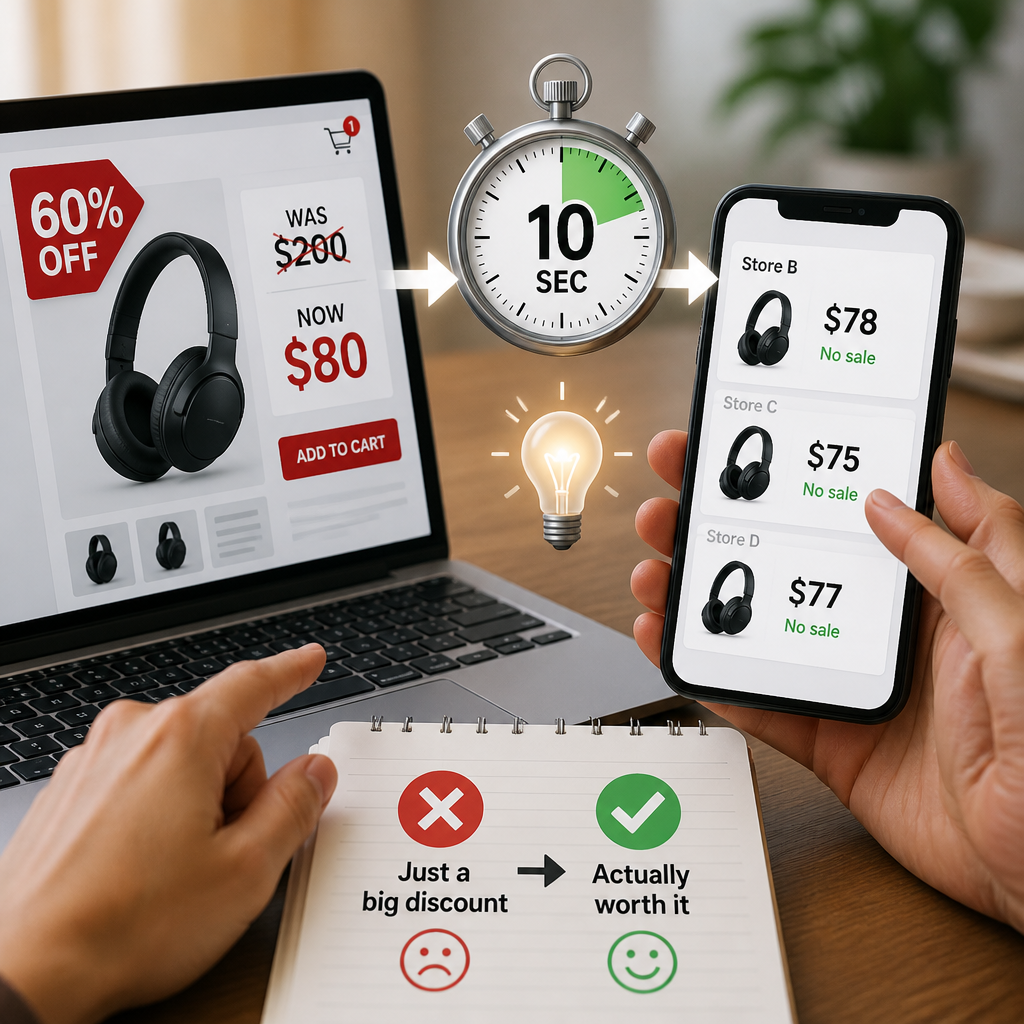
Most online discounts look impressive because retailers want you to focus on the percentage — not the actual value. A “70% OFF” label can trigger excitement instantly, even when the final price is no better than what the product normally sells for elsewhere. The good news is that there’s a simple 10-second trick smart shoppers use to avoid fake deals: ignore the discount percentage and compare the final price with the product’s real market price. One quick check can help you spot misleading sales, avoid overpaying, and make smarter shopping decisions online.
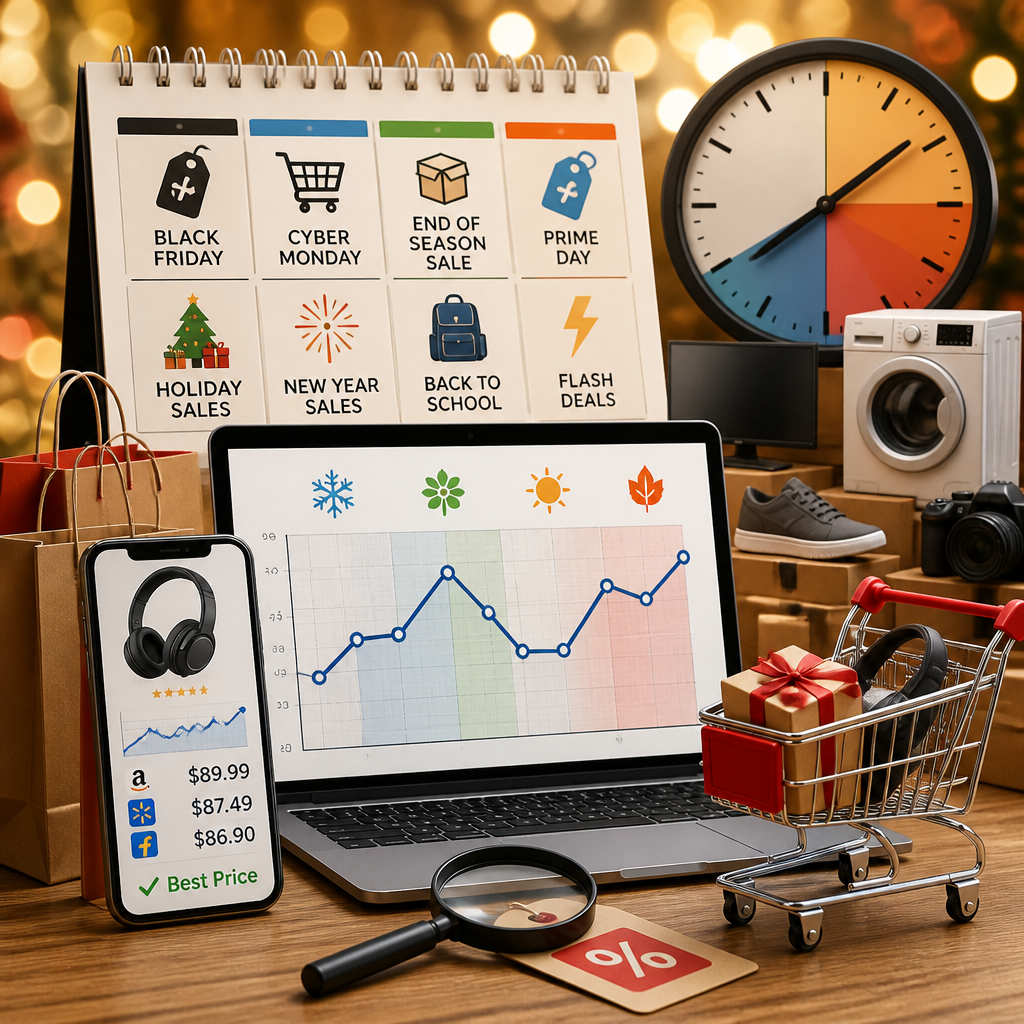
Best Times to Buy: How Prices Change During Sales Seasons and Flash Deals
Most online discounts look impressive because retailers want you to focus on the percentage — not the actual value. A “70% OFF” label can trigger excitement instantly, even when the final price is no better than what the product normally sells for elsewhere. The good news is that there’s a simple 10-second trick smart shoppers use to avoid fake deals: ignore the discount percentage and compare the final price with the product’s real market price. One quick check can help you spot misleading sales, avoid overpaying, and make smarter shopping decisions online.