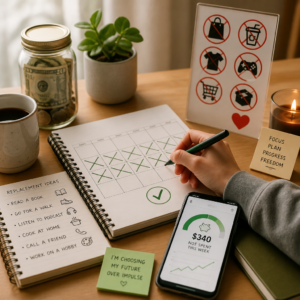
You open an app for one thing and end up buying something you didn’t need. It’s not a lack of discipline — it’s a system designed to trigger impulse purchases. Modern e-commerce uses psychological tactics like scarcity, dopamine triggers, and artificial urgency to make you buy faster and more often. This article explains why impulse buying happens, how it quietly drains your finances, and why relying on willpower alone rarely works. More importantly, it shows how the right tools can interrupt the impulse at the moment of decision — helping you spend more intentionally instead of emotionally.
Inflation is transforming online shopping habits worldwide, turning casual buyers into cautious, deal-focused consumers. From aggressive price comparisons and coupon stacking to the growing use of smart discount calculators, shoppers are becoming more analytical about every purchase. This guide explores how rising prices are reshaping consumer behavior, why deal-checking has become a daily habit, and how shoppers can protect their budgets in an increasingly expensive digital marketplace.
You see “50% OFF” in bold red and instantly feel like you’re saving money – but are you really? Most online discounts are calculated using the listed “original price,” and that number is often inflated to make deals appear bigger than they actually are. The hidden math behind discounts reveals that real savings depend on the actual market price, not the crossed-out number retailers want you to focus on. Before you trust a sale label, learn how to spot the difference between a real discount and a fake one — because the biggest discount doesn’t always mean the best deal.
Ever opened a shopping app “just to browse” and ended up buying something because it was 70% off? You’re not alone. Falling for discounts isn’t simply a lack of discipline — modern online stores are carefully designed to trigger impulse buying through urgency, fear of missing out, and psychological pricing tricks. The good news is that once you understand the psychology behind discounts, you can stop emotional purchases before they happen. Learning a few smart shopping habits can help you avoid unnecessary spending and finally break the cycle of buying things you never planned to purchase.
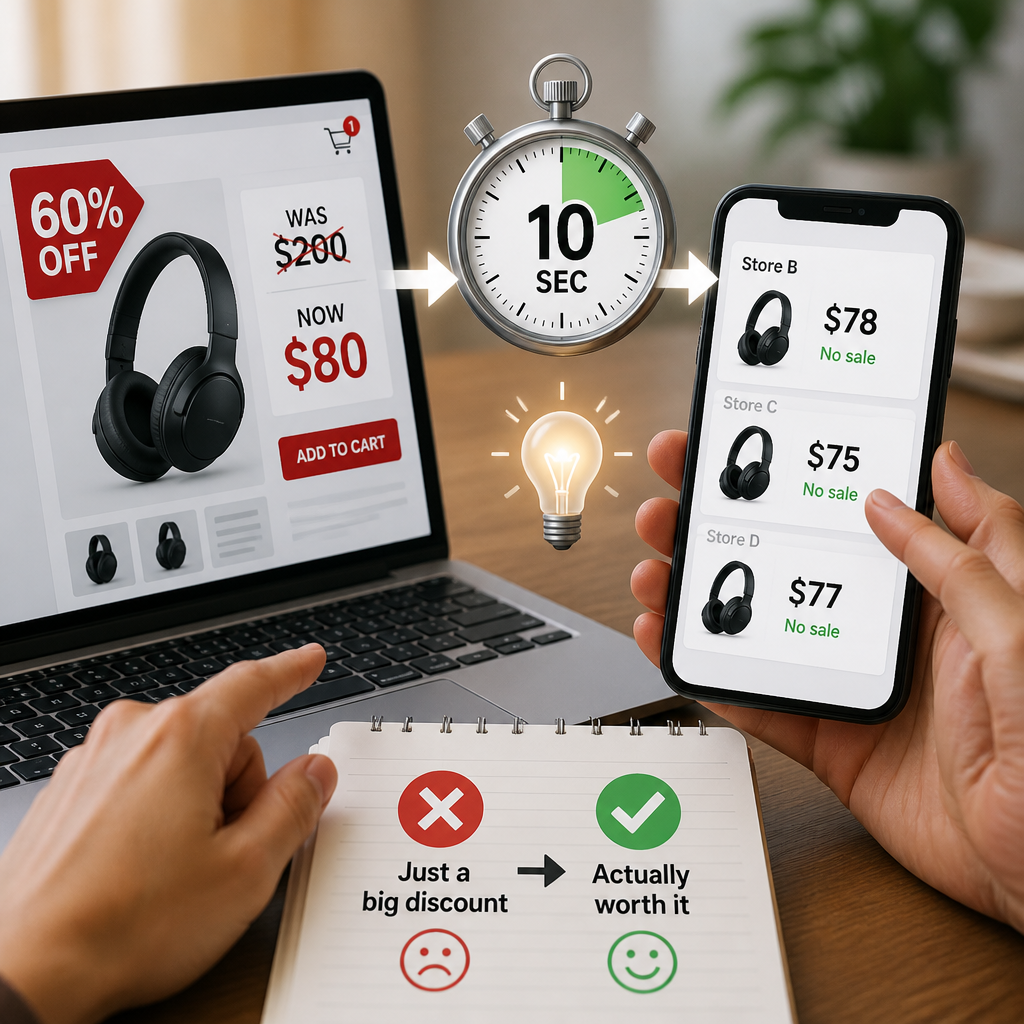
Most online discounts look impressive because retailers want you to focus on the percentage — not the actual value. A “70% OFF” label can trigger excitement instantly, even when the final price is no better than what the product normally sells for elsewhere. The good news is that there’s a simple 10-second trick smart shoppers use to avoid fake deals: ignore the discount percentage and compare the final price with the product’s real market price. One quick check can help you spot misleading sales, avoid overpaying, and make smarter shopping decisions online.
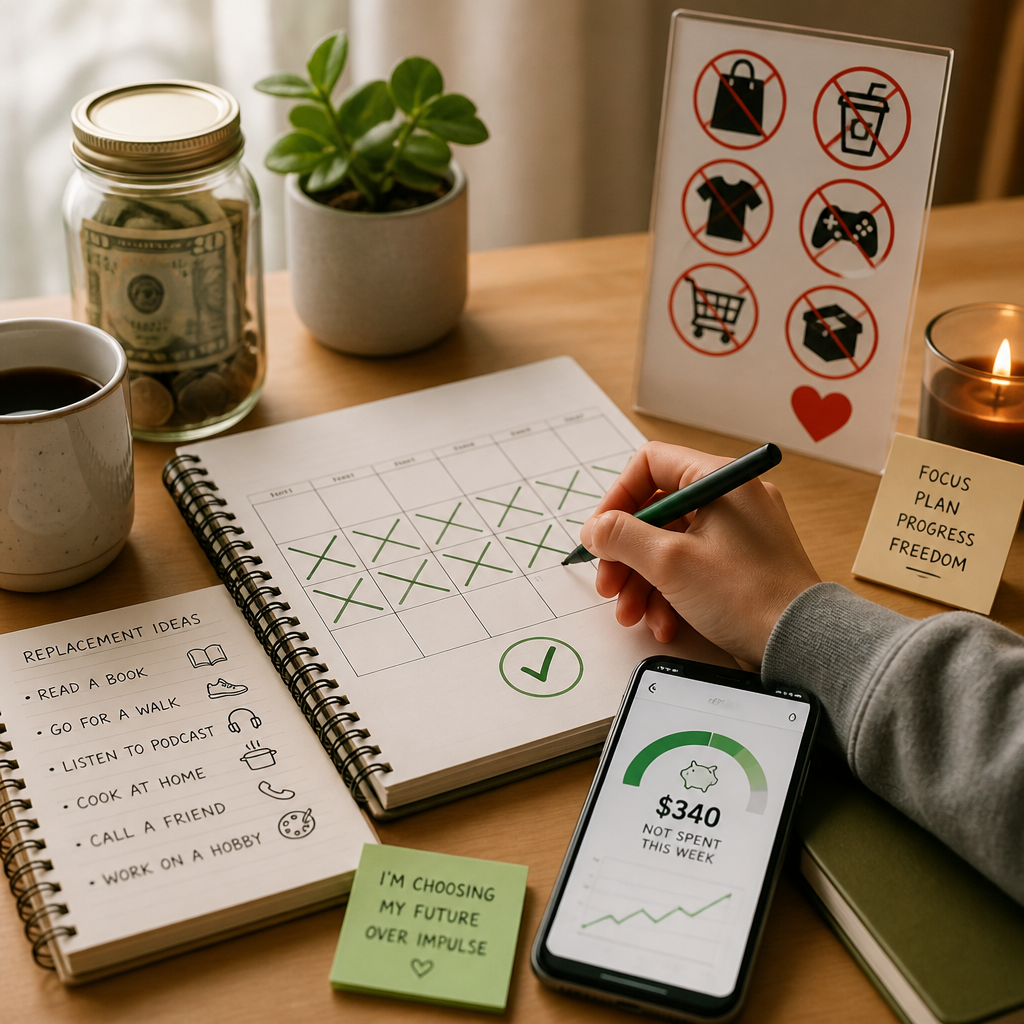
No-spend challenges have exploded across TikTok, YouTube, and Reddit as one of the simplest ways to reset spending habits and save money fast — but most people fail within the first three days. The problem isn’t motivation, it’s structure. Without clear rules, real-time tracking, and replacement habits, impulse spending quickly takes over. This guide breaks down why these challenges fail and provides a practical 5-step system to actually complete one successfully, build better money habits, and take control of your finances in 2026.
Quick Links
About Company
Get In Touch
Have feedback or a tool idea? We’d love to hear from you.
Made for smart savers everywhere.
All Copyrights Reserved by Daily Discount Hub © 2026.