June 13, 2026 5:18 am
How to Compare Products Properly: Price, Quality, and Long-Term Value Explained
Most shoppers compare prices. Far fewer compare actual value — and that’s where bad buying decisions usually happen. A product that looks cheaper upfront can end up costing far more through poor durability, hidden fees, frequent replacements, or weak performance over time. This guide explains how to compare products properly by looking beyond the price tag and evaluating quality, lifespan, warranty, hidden costs, and true long-term value. Learn how smarter comparisons help you spend less, avoid fake savings, and make better purchasing decisions every time.
- May 29, 2026
- nazneen
- 10:47 pm
- Price Comparison Insights
Most online shoppers compare prices. Far fewer compare value. And that gap is exactly where overspending happens.
A cheaper product that breaks in six months costs more over a year than a pricier one that lasts three. A subscription service that’s $2 cheaper per month but missing a feature you use daily isn’t actually a saving. The lowest price at checkout isn’t always the lowest cost over time – and building the habit of seeing the difference is one of the most useful things you can do as a shopper.
This guide covers exactly how to compare products properly: not just by price, but by quality, durability, hidden costs, and long-term value.
Why Comparing Only by Price Is a Mistake
Price is the easiest number to compare, which is why it dominates most buying decisions. But it’s also the most incomplete number available.
When you buy purely on price, you’re ignoring:
Durability – A $25 kitchen knife that dulls within months and needs replacing costs more over two years than a $60 knife that holds its edge. The upfront saving disappears quickly.
Hidden costs – A cheaper printer might cost $40 less than a competitor but use proprietary ink cartridges that cost twice as much to replace. The true cost of ownership is in the consumables, not the device.
Warranty and support – A product with no warranty or no accessible customer service transfers all the risk to you. When something goes wrong – and it will – a slightly more expensive product with solid after-sales support can save significant time, money, and frustration.
Replacement frequency – Low-quality items that need replacing every year cost more than durable items replaced every five years, even at significantly higher upfront prices.
The cheapest option at point of purchase is rarely the cheapest option over time.
The 5 Things Smart Shoppers Compare
1. Initial Price (Total, Not Listed)
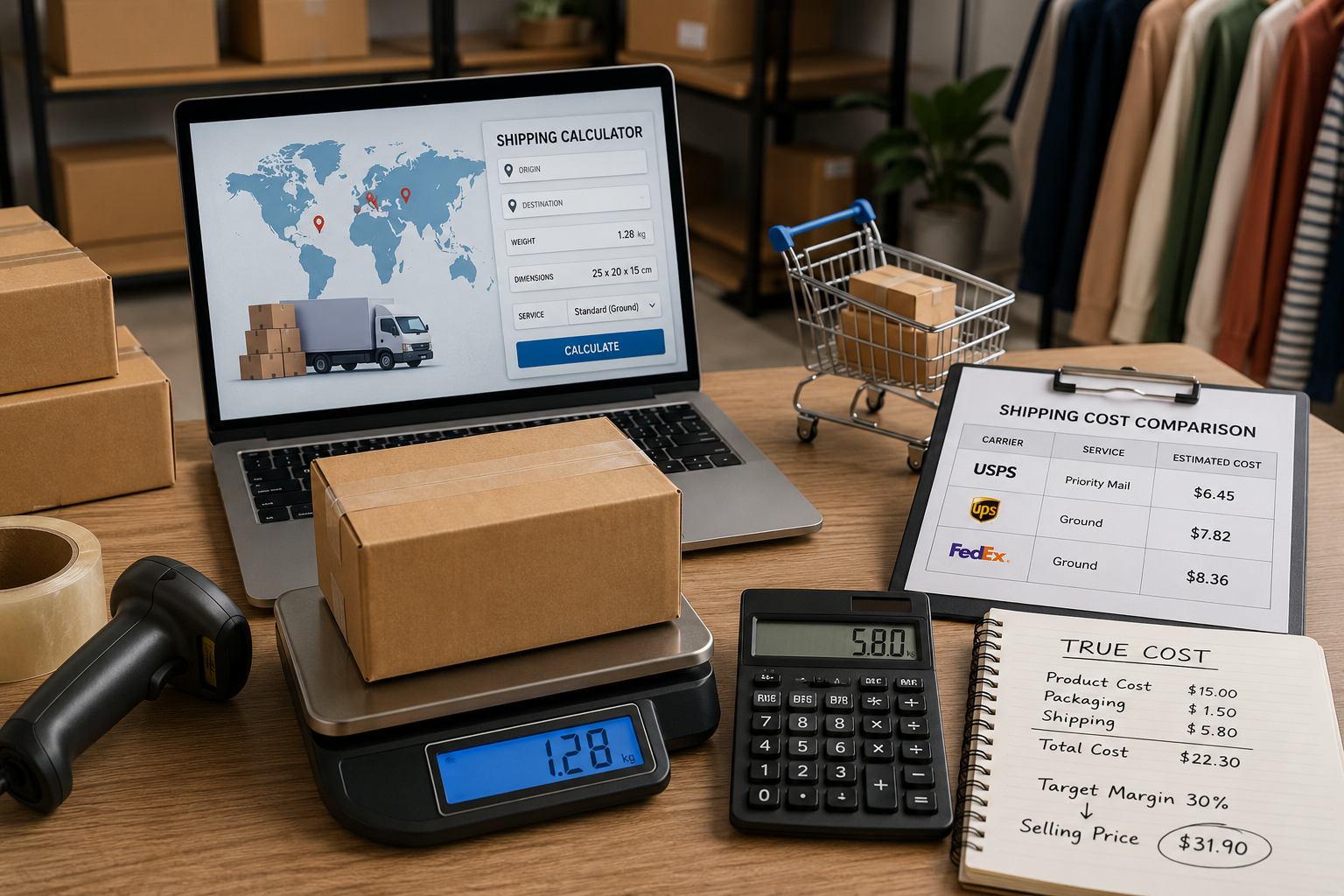
Start with the real upfront cost – listed price plus shipping, taxes, and any mandatory extras. Two products at the same listed price can have meaningfully different total costs once all charges are included. Never compare listed prices; compare final checkout totals.
2. Product Quality
Quality is harder to quantify than price but far from impossible to assess. Check verified reviews specifically for mentions of build quality, materials, and consistency. Look for patterns in negative reviews- if multiple buyers mention the same flaw, it’s a product issue, not bad luck. For electronics and appliances, specialist review sites give more reliable quality signals than platform ratings alone.
3. Durability and Lifespan
The single most underused comparison metric. Before buying, ask: how long is this product expected to last, and what does that mean for cost per year?
A $50 item used for one year costs $50 annually. A $120 item used for five years costs $24 annually. The more expensive product is less than half the annual cost- a straightforward calculation that most shoppers never make.
4. Warranty and Customer Support
Warranty length signals how much confidence a manufacturer has in their product. A one-year warranty on an appliance expected to last a decade is a red flag. A two or three year warranty suggests the manufacturer expects it to hold up. Check whether the warranty is handled locally or requires international shipping for claims – the practical usability of a warranty matters as much as its length.
5. Hidden Costs
The purchase price is often just the beginning. Common hidden costs include:
- Subscription renewals required to access full product features
- Proprietary accessories or consumables (batteries, cartridges, filters)
- Maintenance, servicing, or installation costs
- Delivery fees not shown until checkout
Factor these in before deciding. A product that looks cheaper upfront can easily become the more expensive option once ongoing costs are included.
Discount Calculator
Enter any original price and a discount percentage to instantly see your final price, exact savings, and whether the deal is genuinely worth it.
How to Calculate Real Product Value
The most useful formula for comparing products properly is cost per use – what you pay divided by how many times you’ll realistically use it over its lifespan.
Example:
- Product A: $50, expected lifespan 1 year → Cost per year: $50
- Product B: $120, expected lifespan 5 years → Cost per year: $24
Product B costs 2.4x more upfront and 2.1x less per year. For any product you’ll use regularly over multiple years, this calculation almost always favors quality over cheapness.
Apply the same logic to cost per use for items like gym equipment, kitchen tools, or work accessories- divide the total price by the realistic number of uses and compare. The number that results is a far more honest measure of value than the sticker price.
Pricing Tricks That Distort Your Comparison
Retailers use several tactics to make products appear better value than they are:
Anchor pricing – A high “original price” makes the sale price feel dramatically cheap, regardless of actual market value. Always verify the original price against what the product sells for elsewhere.
Charm pricing – $49.99 feels significantly cheaper than $50, despite a $0.01 difference. It’s a trivial trick that still influences purchasing decisions at scale.
Fake limited-time sales – Urgency labels on discounts that run permanently. If a product has been “40% off” for months, that’s just the price.
Bundle manipulation – Bundling a product with accessories you don’t need to justify a higher total price, or to make the per-unit cost look lower than buying individually elsewhere.
Inflated original prices – Setting the MRP well above real market value to manufacture the appearance of a large discount.
The defense against all of these is the same: compare the final price against real market value, not against whatever reference price the retailer displays.
Categories Where Proper Comparison Matters Most
Electronics – Model variants, spec differences, and warranty terms vary enormously at similar price points. A $10 price difference between two laptops can reflect very different RAM, storage, or build quality. Always compare specifications directly, not just prices.
Home appliances – Long-term energy efficiency, repair availability, and parts cost matter more here than in almost any other category. A slightly more expensive appliance with better energy ratings can pay for itself over three to five years.
Subscription services – Compare annual vs monthly pricing, feature tiers, and cancellation terms. Many services offer annual plans at significant discounts – the saving is real if you’ll use the service consistently.
Furniture – Material quality, construction method, and warranty determine lifespan dramatically. Cheap flat-pack furniture replaced every two years is more expensive than solid-construction furniture lasting a decade.
Groceries (bulk buying) – Unit price per gram or per litre is the only honest comparison. Larger packages are often but not always cheaper per unit – calculate before assuming.
Signs a More Expensive Product Is Actually Worth It
Not every premium price is justified, but some genuinely are. A product is worth paying more for when:
- It has a significantly longer expected lifespan
- The warranty is meaningfully better
- It uses less energy or fewer consumables over time
- It has verifiably better reviews specifically on durability and long-term performance
- The after-sales support is accessible and reliable
- It has resale value – some premium products retain significant second-hand value, reducing the net cost of ownership
When these factors are present, a higher upfront price often represents a lower total cost. When they’re absent, you’re paying a premium for branding or aesthetics rather than value.
Conclusion
Comparing products properly means looking past the price tag to the full picture: quality, lifespan, warranty, hidden costs, and what the product actually costs per year of use. The lowest price at checkout is a starting point, not a conclusion.
Before your next significant purchase, run the cost-per-year calculation. Check for hidden ongoing costs. Verify that the quality matches the price point. And compare the final total – including all charges- not just the number on the listing. Those habits take two minutes and consistently lead to better buying decisions.
Frequently Asked Questions
Look beyond the listed price. Compare total cost including shipping and taxes, product quality through verified reviews, expected lifespan, warranty terms, and any hidden ongoing costs like subscriptions or consumables.
Cheap products often have shorter lifespans, higher replacement frequency, and poorer warranty coverage. A product that costs twice as much but lasts five times longer is significantly cheaper over time.
Electronics, home appliances, furniture, subscription services, and any item you’ll use daily or expect to last multiple years. These are the categories where quality and lifespan differences have the greatest long-term financial impact.
Cost-per-use divides the total price of a product by the number of times you’ll realistically use it over its lifespan. It gives a more honest measure of value than upfront price alone, especially for regularly used items.
How Inflation Is Changing Online Shopping Behavior Worldwide
Popular Right Now
Featured Calculators
Discount Calculator
Enter any original price and a discount percentage to instantly see your final price, exact savings, and whether the deal is genuinely worth it.
Deal Value Checker
Don't just see the % off — get a deal score from 1–10 and a clear verdict: Worth It, Average, or Bad Deal. Stop getting fooled by inflated "original" prices.
About Author

nazneen
Kitchen Chronicles
When it comes to everyday messes, you need a paper towel that’s strong, absorbent, and cost-effective.
Some of Our Top Posts



Populaar Tools

Selected For You
Related Posts
Start Saving Money
in Seconds
Join 10,000+ shoppers using Daily Discount Hub to spend less and live better.
Pick a tool and find out how much you can save right now. Make better spending decisions starting today.